
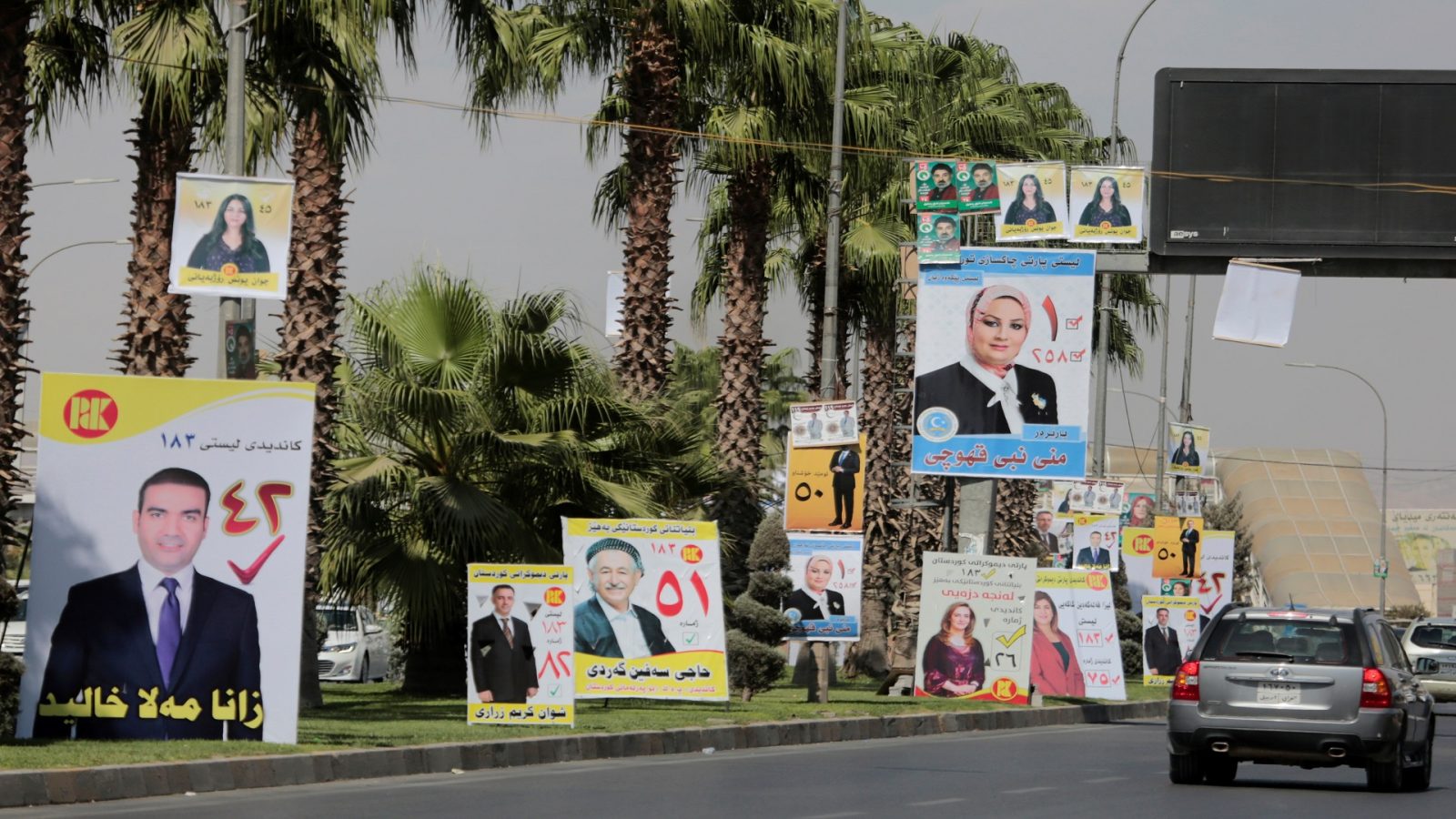
Iraq parliamentary election results will be announced in 24 hours: IHEC
Story summary
Adnan said during a press conference that the overall voter turnout will also be announced within the next two hours.
He said that the Commission is determined to complete the electoral process in a fair manner.
"The Commission will issue decisions regarding electoral violations,” he added.
Iraqis began voting in parliamentary elections on Sunday morning, casting ballots for the first time since massive, youth-led protests in 2019 demanded root-and-branch changes to politics and governance in the country.
With biometric identity cards in hand, voters gathered at schools, community centers, and other polling centers throughout the day to decide the make-up of the Council of Representatives for the next four years.
Polls opened at 7 a.m. and closed at 6 p.m.
Political leaders in Iraq and the Kurdistan Region were some of the first to cast their votes, with Iraqi President Barham Saleh, Prime Minister Mustafa al-Kadhimi, and Shia cleric Muqtada al-Sadr doing so in Baghdad.
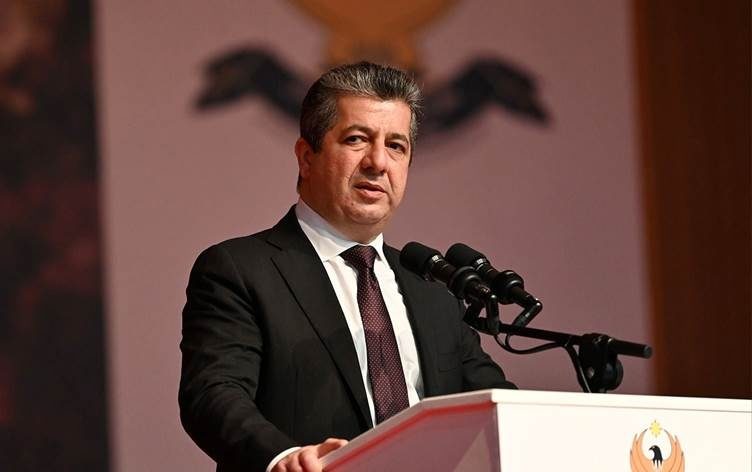
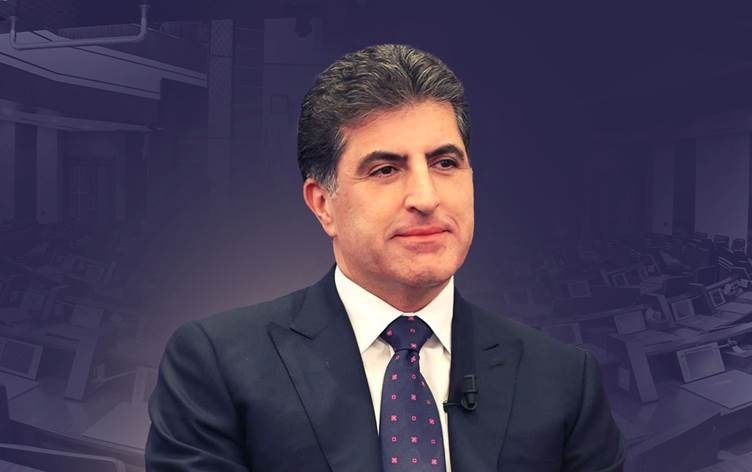
Kurdistan Region President Nechirvan Barzani and Kurdistan Regional Government (KRG) Prime Minister Masrour Barzani voted in Erbil and KRG Deputy Prime Minister Qubad Talabani in Sulaimani.
The political leaders all urged voters to head to the polls.
"We all have to work to change our reality. Go out and vote for the sake of Iraq and your future,” Kadhimi said.
"We need a wise leadership that overcomes the interests of Iraq,” he added.
Driven by high unemployment, corruption, and lack of public services, protesters took to the streets in Baghdad and Iraq’s central and southern governorates in October 2019, remaining there for months and forcing Prime Minister Adil Abdul Mahdi from office. Hundreds of protesters were killed and wounded by government security forces and militias.
Among other things, the demonstrators demanded early elections as a path to replacing Iraq’s governing elite, which the protesters condemned as a corrupt and self-dealing clique that has failed to use the country’s immense oil wealth to benefit the people.
On taking office in May 2020, current Prime Minister Mustafa al-Kadhimi promised to hold those early polls, which were originally scheduled for this past June but were pushed back to give officials more time to prepare.
The elections are also the first to be held under a reformed electoral law, which created 83 new, multi-member constituencies and employs a single, non-transferable voting system. A quota is in place to ensure that at least one woman is elected from each district.
A total of 3,249 candidates, out of which 951 are women, were approved by IHEC. They are competing for 320 seats.
Nine additional seats in specific governorates are set aside for ethnic and religious minorities.
In the weeks leading up to the election, observers have expressed concern about the prospect that many voters will end up staying home, reflecting widespread political disillusionment.
The elections were monitored by large observation delegations from the UN Assistance Mission for Iraq (UNAMI) and the European Union.
In the Kurdistan Region, voters will elect eleven members of parliament from three constituencies in Duhok governorate, fifteen members of parliament from four constituencies in Erbil governorate, and eighteen members of parliament from five constituencies in Sulaimani governorate.
The major Kurdish parties are also contesting seats in the disputed areas, including in Kirkuk, Saladin, Nineveh, and Diyala governorates.
Reporter's code: 50101
User comments