
Foreigners Will Try to Incite PKK Leaders
Story summary
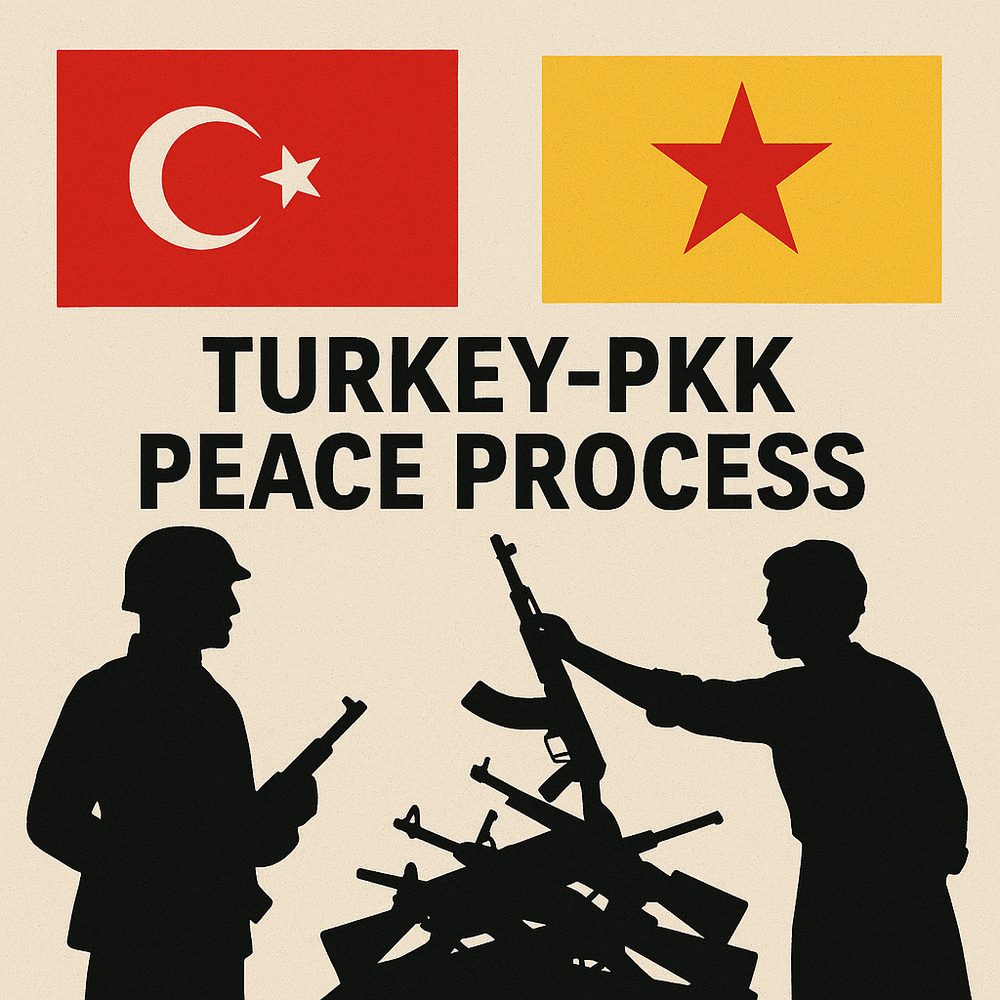
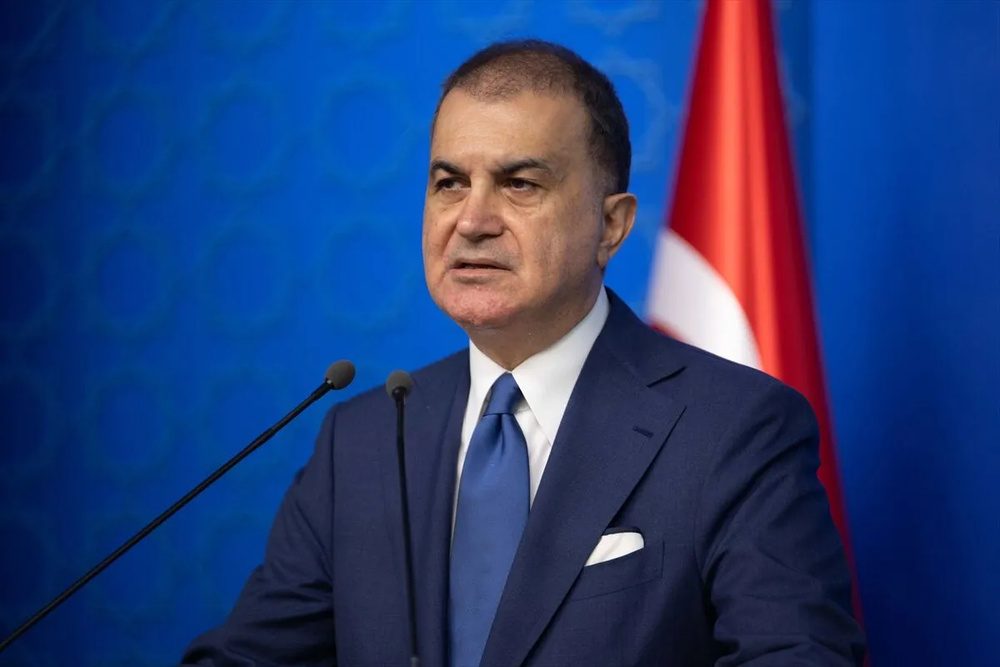
According to Kurdistan Press, Professor Talha Kose, a university professor and head of the Turkish National Intelligence Academy, in an article examining the new stage of the process called "Turkey without terrorism", considered the laying down of weapons to be only the first threshold of this process and emphasized that its sustainable success depends on the implementation of legal regulations, institutional coordination, maintaining political consensus and social acceptance.Professor Talha Kose, in an article for the Analytical Section of Anadolu Agency, examined the new stage of the peace process and the importance of what is called the “Turkish Model.”
Kose wrote in this article that the “Turkey without Terrorism” process, which began nearly two years ago with Recep Tayyip Erdogan’s speech at the anniversary of the Malazgerd victory in Akhlat, has entered a new phase after the passage of the “Strengthening National Solidarity and Social Integration” law. The law was passed with the support of 467 members of the Turkish parliament and came into effect after being published in the Official Gazette.
According to Kose, the passage of the framework law with a broad consensus and the support of public opinion for the process has created an optimistic atmosphere. He believes that the Turkish experience, despite some similarities with international conflict resolution examples, has unique characteristics and is being closely followed by regional actors and international experts.Transition from Disarmament to Institutionalization
Kuse described the current stage as the transition to institutionalization of disarmament and dissolution of the PKK, writing that this stage is based on the experience of nearly half a century of Turkey's struggle with the PKK, previous efforts to resolve the issue, and experiences gained from past processes. In his opinion, the new stage requires a different capacity for political and social management, because the process that has been proceeding in a relatively closed format until now has now been opened to public opinion.
The head of the Turkish National Intelligence Academy considered the preparation of society, government employees, and groups related to the process, the development of an appropriate communication strategy, and strengthening coordination between public institutions as essential for this stage.He emphasized that the main challenge now is to stabilize the post-conflict period through legal regulations, political consensus, institutional adaptation and social acceptance: “Turkey’s success without terrorism after disarmament is closely linked to creating a political and social context in which terrorism cannot be reproduced.”
Disarmament is not the end of the process
According to Koç, disarmament should not be seen as the final result; rather, it is one of the essential thresholds for the institutionalization of the new period. Although disarmament is a crucial step in terms of security, it alone cannot create a sustainable political and social order. Implementing legal regulations, accelerating the disarmament process and confirming the dissolution of the PKK in the field will be the next decisive steps.
Koç considered the main issue of the new phase to be the transformation of the security gains made in the field into a legal and institutional framework.In this regard, he assessed the role of the Turkish Parliament as particularly important, because, in his opinion, its participation can expand the political and social legitimacy of the process and bring together different political actors in a common framework. The adoption of regulations with broad political support is essential both for managing the current stage and for protecting the continuity of the process against future political fluctuations.
The gap between the adoption of the law and its implementation
The head of the Turkish National Intelligence Academy warned that there is no automatic relationship between the adoption of legal regulations and their implementation on the ground. In his opinion, the administrative and political responses formed during the period of conflict and security threats are not the same as the needs of the period in which the absence of violence is to be established. For this reason, it takes time for new decisions to be reflected in the bureaucracy, executive mechanisms and the behavior of relevant actors.Kuse considered the commitment of the political actors present in the consensus to the common will as the main factor of success and emphasized that the actual implementation of the law depends on the performance of the officers and institutions present in the field. In this way, the acceptance of the law and the new process by the implementers ensures that the positive political atmosphere is translated into tangible results.
The necessity of socializing the process
Kuse considered the socialization of the non-violent atmosphere and the dissolution process as another fundamental issue of the current stage. In the previous stage, when the process continued in a more closed and controlled format, its management was the main issue; but now, building a public narrative has become at least as important as the process itself.
The head of the Turkish National Intelligence Academy considered it necessary to create a healthy platform for public dialogue, develop a correct communication strategy, provide transparent information to actors and coordinate between government institutions.In his opinion, the acceptance of new developments by society depends on how public opinion perceives them, the language used to explain the process, and the degree to which different actors adapt to the new conditions.
Kose warned that poor communication and coordination could cause developments on the ground to be conveyed to public opinion in different or contradictory ways. At the same time, he considered the continuation of a conflict-free environment for a long time to be one of Turkey’s important advantages, adding that this situation has gradually made life without violence a normal thing.
According to Kose, the reflection of the conflict-free environment in Syria and Iraq has also become a supporting factor for the process. The next challenge is to ensure that this situation does not remain a mere temporary success in the field of security but becomes a lasting expectation in society.The Role of Media, Academics, and Civil Society
Kuse, referring to the process becoming public, wrote that its set of actors is also expanding. Along with political parties and government institutions, the media, academics, civil society organizations, and other social sectors will also influence how developments are interpreted in the new phase. Actors from different political spectrums can influence public opinion with their positive or negative approaches; but despite all differences of opinion, the end of the conflict and the acceptance of the absence of violence as the normal context of politics and everyday life must become a point of common agreement.
Three Dangers Ahead of the Process
In another part of his article, the head of the Turkish National Intelligence Academy listed three main areas of danger in the new phase: the erosion of political consensus, the widening gap between decision-making and implementation, and the exploitation of domestic vulnerabilities by foreign actors.With the decline in armed violence, the center of gravity of risks has also shifted, and the main challenge now is to maintain political consensus, implement decisions, and manage destructive external interventions.
Kouse warned that statements and actions that undermine mutual trust among responsible actors in the process could turn existing political differences into deeper tensions. In his view, the main risk is not the existence of different political positions, but the use of these differences to gain short-term benefits and harm the long-term goal of the process.
The second risk, according to Kouse, is the inconsistency between legal and political decisions and their implementation on the ground. He considered delays or contradictions in the implementation of regulations by central and local institutions as a factor that reduces the predictability of the process and public trust. He called for strengthening coordination between institutions and creating flexible mechanisms to resolve implementation problems.
User comments