
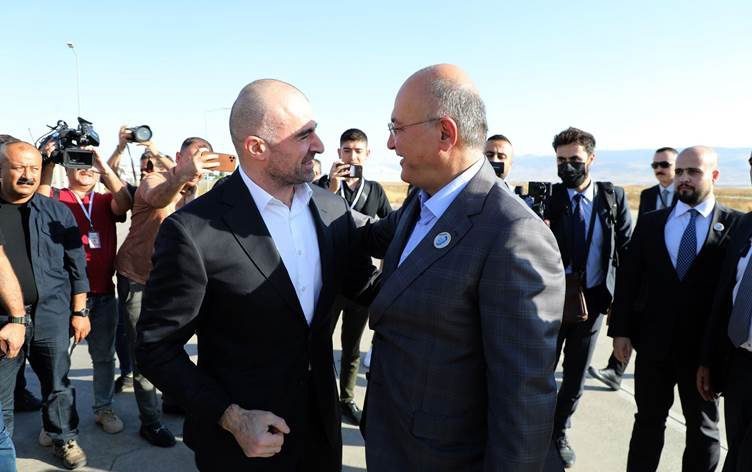
Bafel Talabani: Barham Saleh is PUK candidate for Iraq presidency
Story summary
According to Rudaw TV, Bafel Talabani announced in a message after participating in the early parliamentary elections in Sulaimani: "The PUK will once again become the same party Mam Jalal (Secretary General and late founder of the PUK) founded. We will turn the Kurdistan Region, especially Kirkuk, into Mam Jalal's Kurdistan."
Regarding the post-election candidate for the presidency of Iraq, he said that it is quite clear that Barham Saleh, the current president of Iraq and a member of the leadership council of the PUK, is the party's candidate for the presidency again as it had been announced earlier.
He also said that the PUK and the Movement for Change (Gorran) got closer in this election and this relationship will be closer and wider in the future.
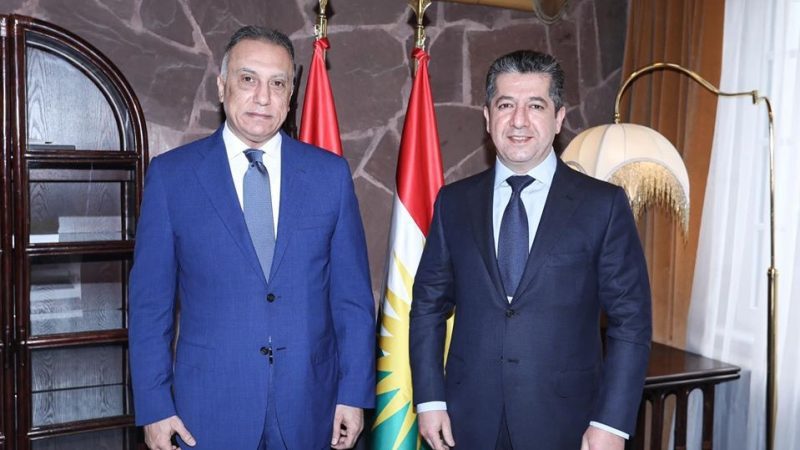
It is worth mentioning that, Fazil Mirani, the political bureau secretary of the Kurdistan Democratic Party (KDP), said of the Iraqi presidency that, according to a political custom, a majority of Shiites would agree to run for prime ministry, Sunnis would agree on a candidate for Iraq parliament speaker post and in the Kurdistan region, the Kurds must agree on a candidate for the Iraqi presidency.
Iraqis are voting in a general election to elect a new parliament on Sunday in the fifth such vote since U.S.-led invasion toppled dictator Saddam Hussein in 2003.
Polls were opened across Iraq at 7:00 a.m. and will close at 6:00 p.m. on Sunday.
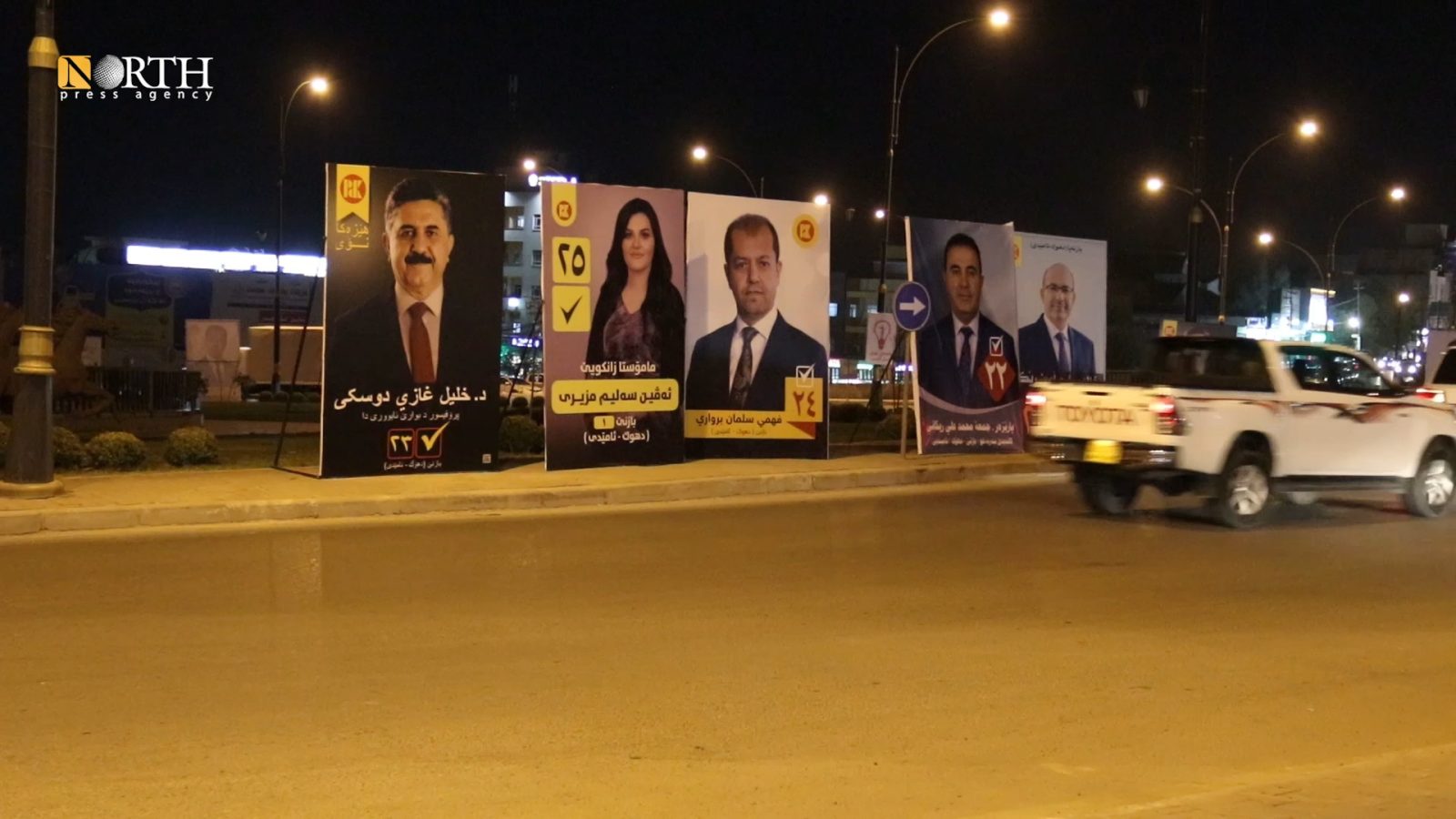
The election is being held several months early under a new law designed to help independent candidates – a response to mass anti-government protests two years ago.
A total of 329 seats are up for grabs in the election, which was moved forward from 2022 as a concession to youth-led pro-democracy protests that erupted in late 2019.
There are fears voter turnout could drop below the 44.5 percent figure registered in 2018.
As many as 24,029,927 people are eligible to vote in 8,273 polling stations in Iraqi provinces and the Kurdistan Region. Voters will present a biometric card for what was conceived as a fully electronic voting process.
As many as 3,226 candidates are in the running, including nearly 950 women.
Nearly 900 U.N. and EU observers and around 46,800 internal spectators monitor the election process. More than 207,340 political. As many as 1,500 media outlets inside Iraq and more than 300 international journalists cover the election, according to electoral commission.
The parliament’s seats are divided on the provinces as: 15 seats in Erbil, 18 in Sulaimani, 11 in Duhok, 12 in Kirkuk, 69 in Baghdad, 31 in Nineveh, 14 in Diyala, 12 in Saladin, 25 in Basra, 19 in Dhi Qar, 17 in Babil, 15 in Anbar, 12 in Najaf, 11 in Karbala, 11 in Qadisiyyah, 11 in Wasit, 10 in Maysan and seven in Muthanna.
On Friday, more than 821,000 voters out of 1,196,524 members of the Iraqi and Kurdish security forces, prisoners and displaced persons cast their ballots in the special voting for Iraq’s parliamentary election.
This year nationals living abroad will not be voting.
Reporter's code: 50101
User comments